How to ask scientific questions?
How do you help a group of young people stop asking “what’s the right answer?” and start asking ''what's the right question?''
Jack Willoughby
2/4/20261 min read
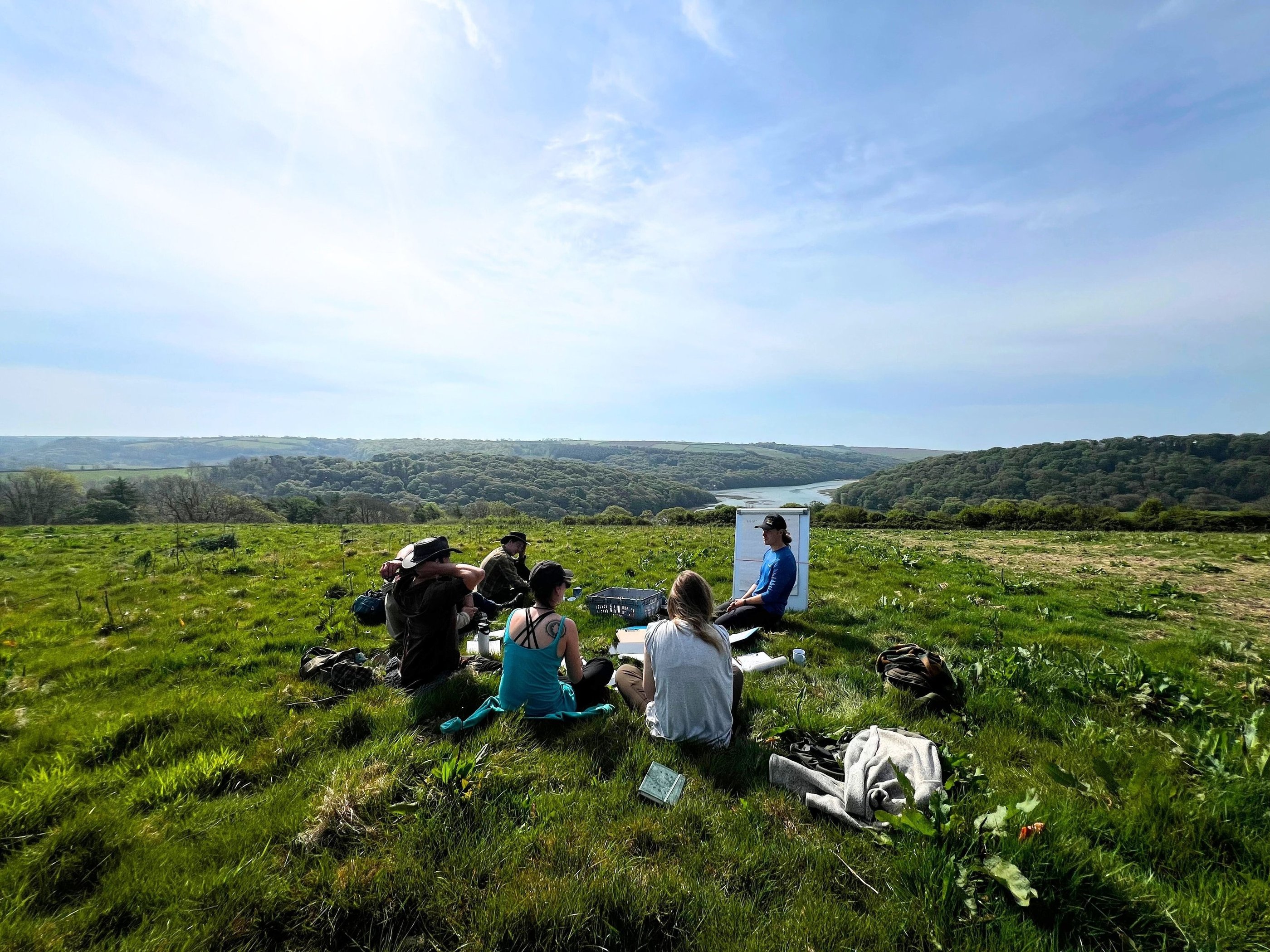
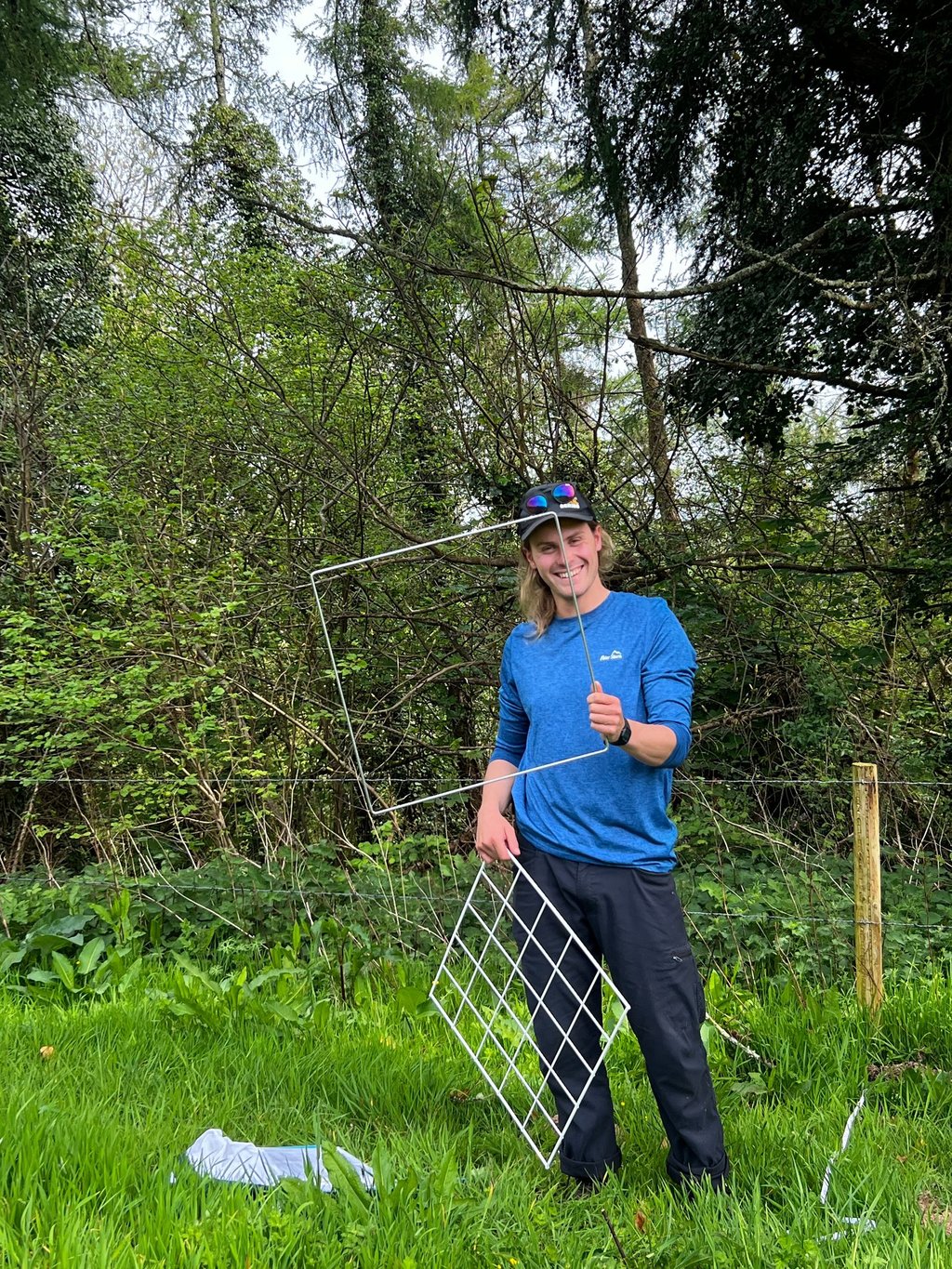
In 2024–2025 I designed and delivered a field-based instructor training programme for Bioasis focused on building scientific confidence in outdoor education contexts. The aim was to help instructors move beyond delivering scripted activities and instead lead investigations where learners develop questions, collect evidence, and interpret results in real environments.
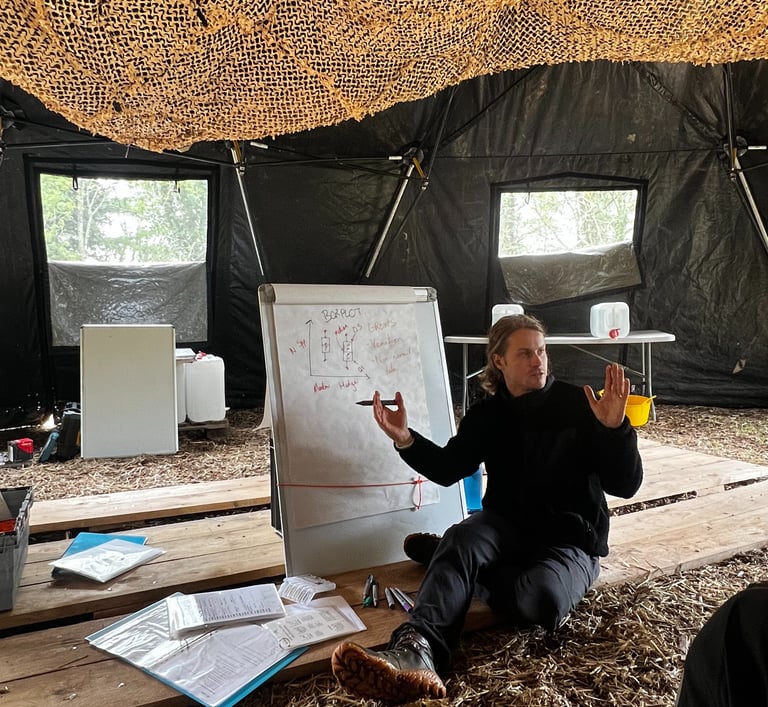
The programme was structured around a See–Do–Lead model: participants first observed best-practice delivery, then practised core skills through guided field investigations, and finally led short sessions themselves with peer feedback. Throughout, the emphasis was on how science works in the real world—iterative, evidence-led, and shaped by uncertainty—rather than a simplified “prescriptive” method.
At a high level, the course developed skills in:
framing testable questions and hypotheses
designing field studies (sampling choices, bias, replication, and practical constraints)
organising and managing field data responsibly
analysing and interpreting datasets, and communicating findings clearly
The training supported Bioasis in strengthening scientific practice across its programs, and it has informed my broader work at the intersection of ecology, field methods, and science pedagogy.